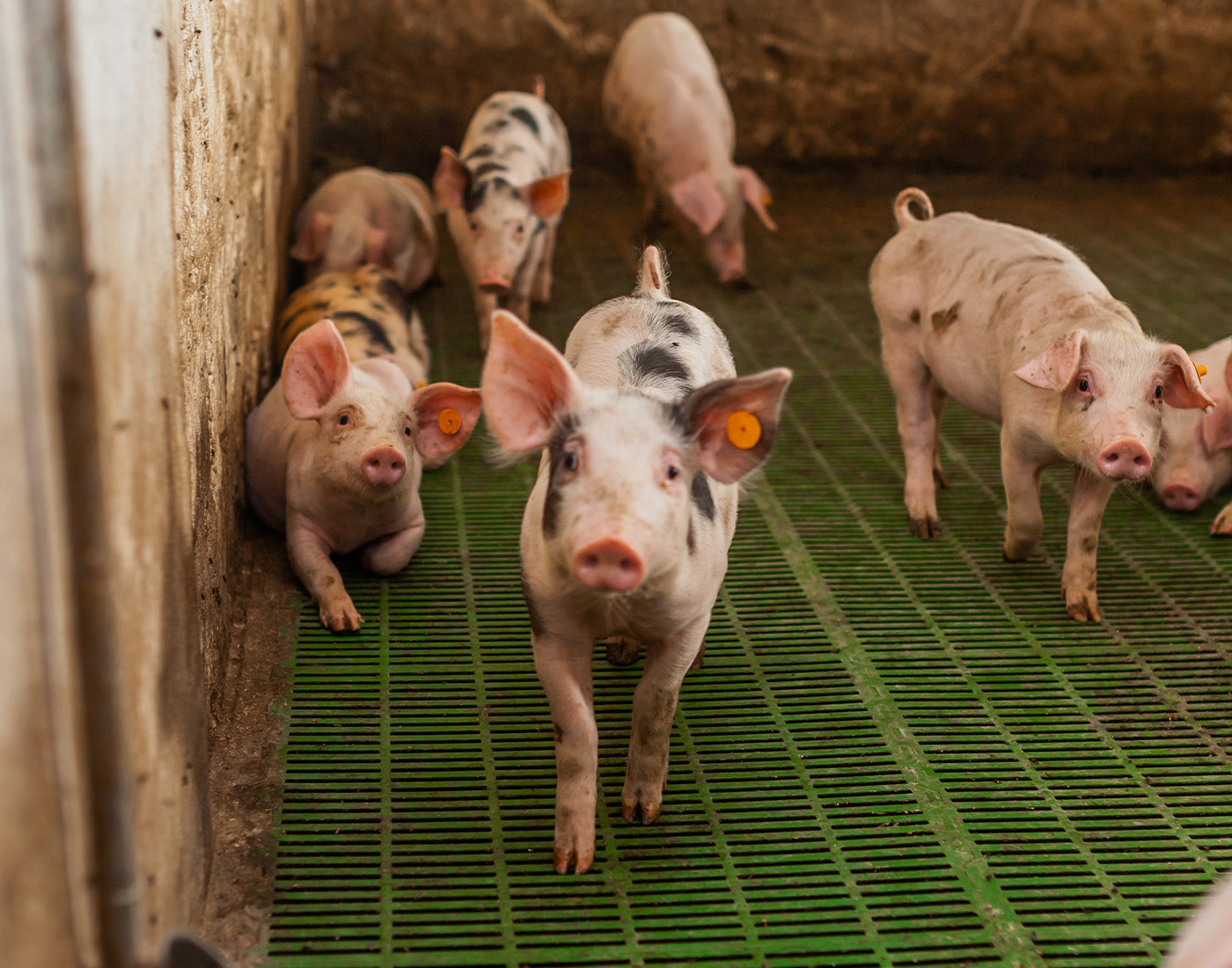
In the livestock industry, pig farms, cattle farms, and poultry houses generate large amounts of highly moisture-rich and organic waste and wastewater every day. If not properly treated, these wastes can easily cause strong odors, groundwater contamination, and significant environmental and community impacts. GREENCARRY’s Wave Separator is specifically designed to address these challenges, offering an efficient, safe, and low-maintenance solid-liquid separation solution.
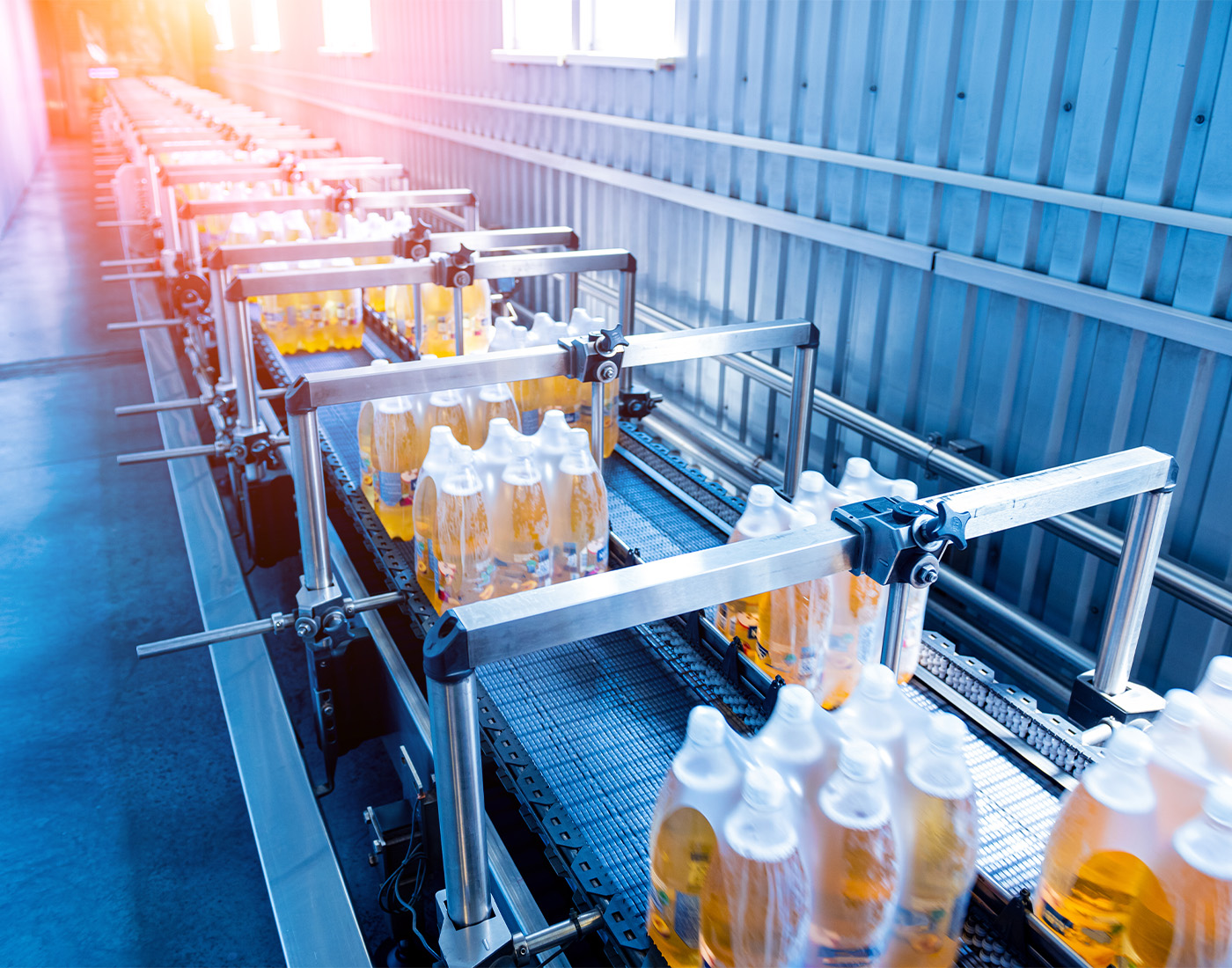
Food processing plants—such as meat, fish, and fruit or vegetable processing facilities—generate wastewater and suspended solids that are high in fats, fibers, and organic content every day. These wet, heavy solids not only increase the load on wastewater treatment systems but also tend to clog pipelines and equipment, reducing efficiency and disrupting production flow.
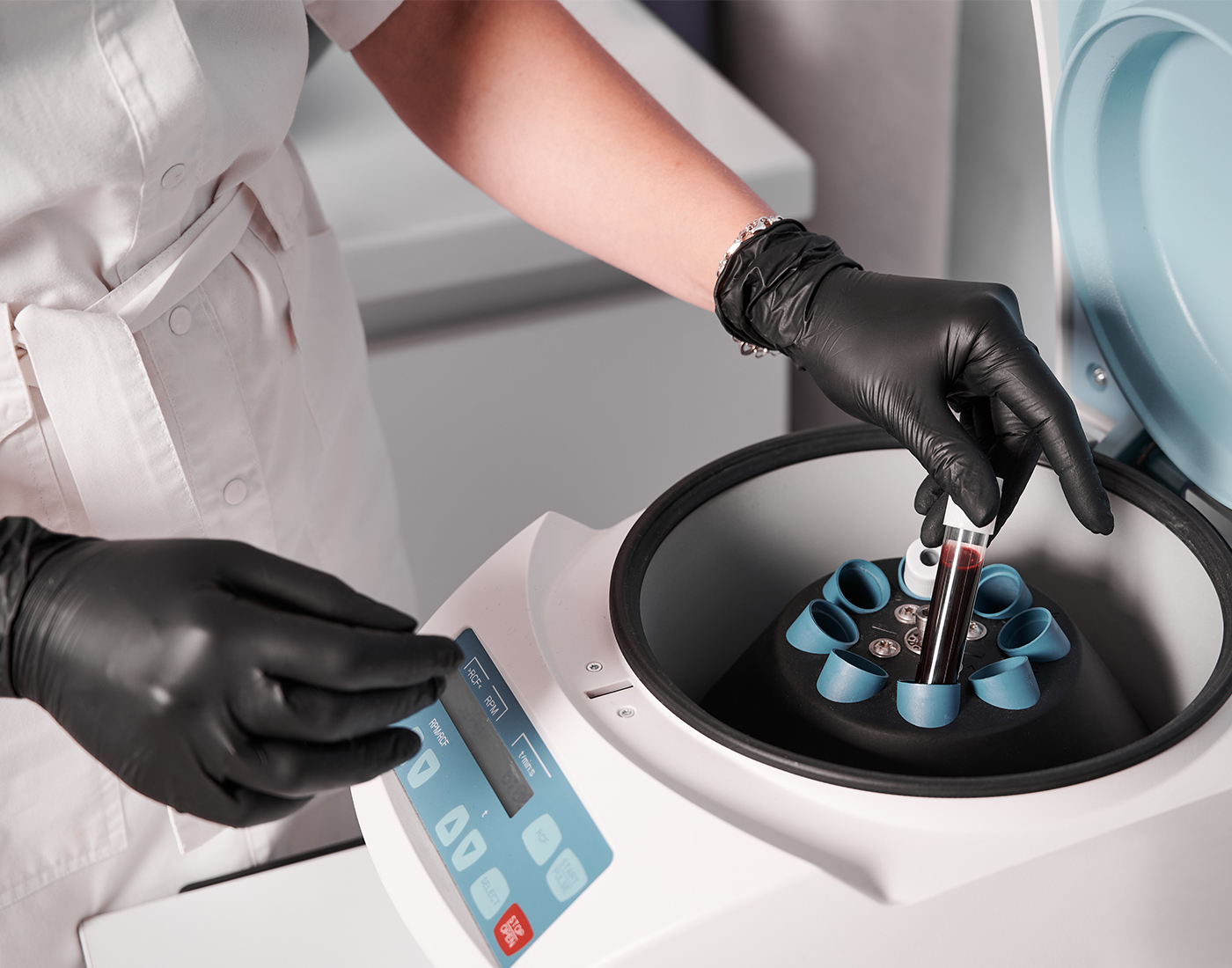
In the chemical and pharmaceutical industries, production processes often generate waste liquids containing various chemical substances, colloids, and suspended solids with viscous and highly polluting characteristics. These properties increase treatment costs and impose stricter requirements on facility design and operation.
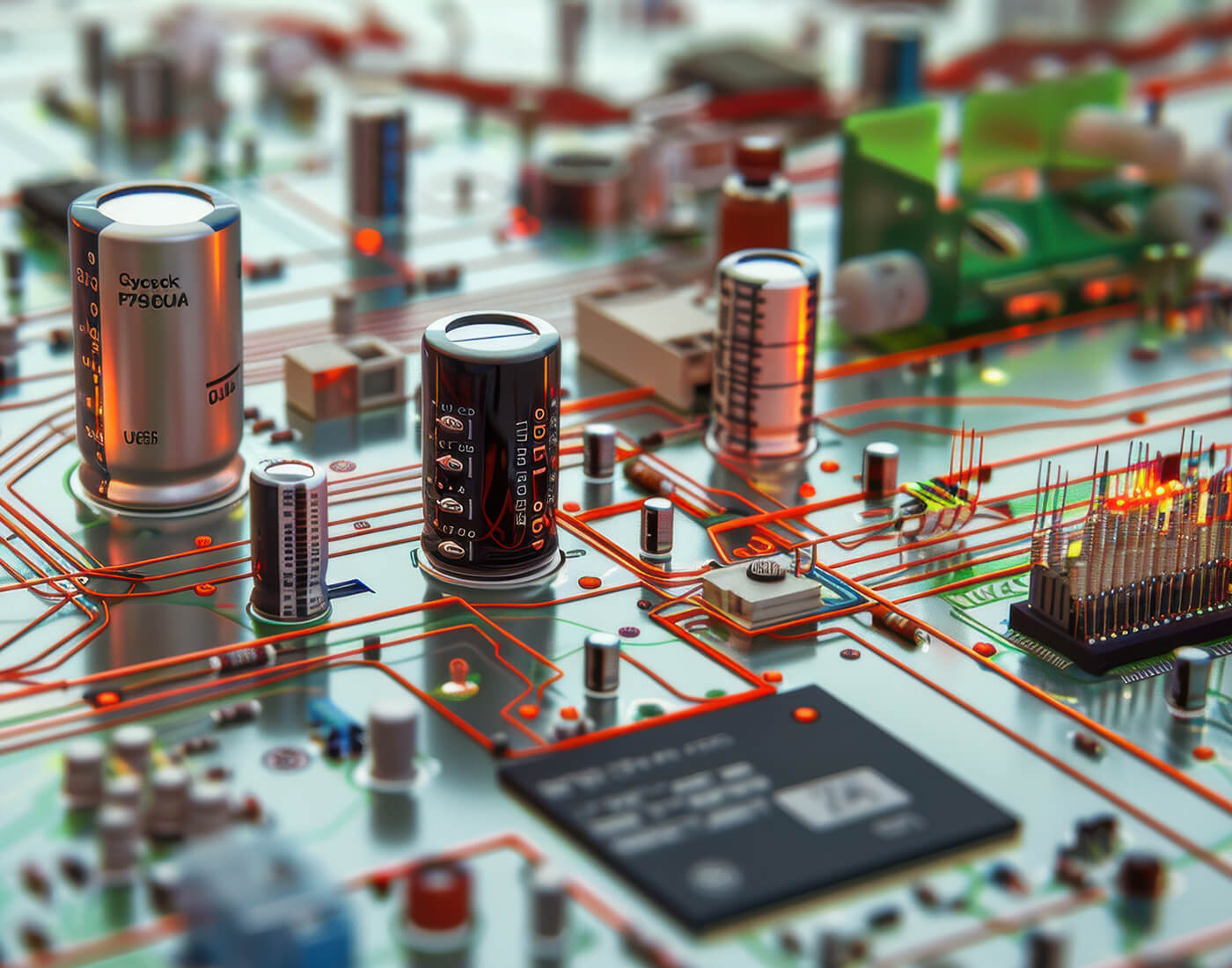
In electronic manufacturing processes such as etching, grinding, and polishing, industrial wastewater often contains heavy metal particles, chemical solutions, and high levels of suspended solids. If not properly treated, these contaminants can cause long-term water pollution and may lead to violations of wastewater discharge regulations.
Wastewater from textile dyeing and leather processing plants often contains fibers, dyes, and organic additives. Due to its poor fluidity, it easily causes clogging in pipelines and treatment systems, increasing the difficulty of wastewater management.
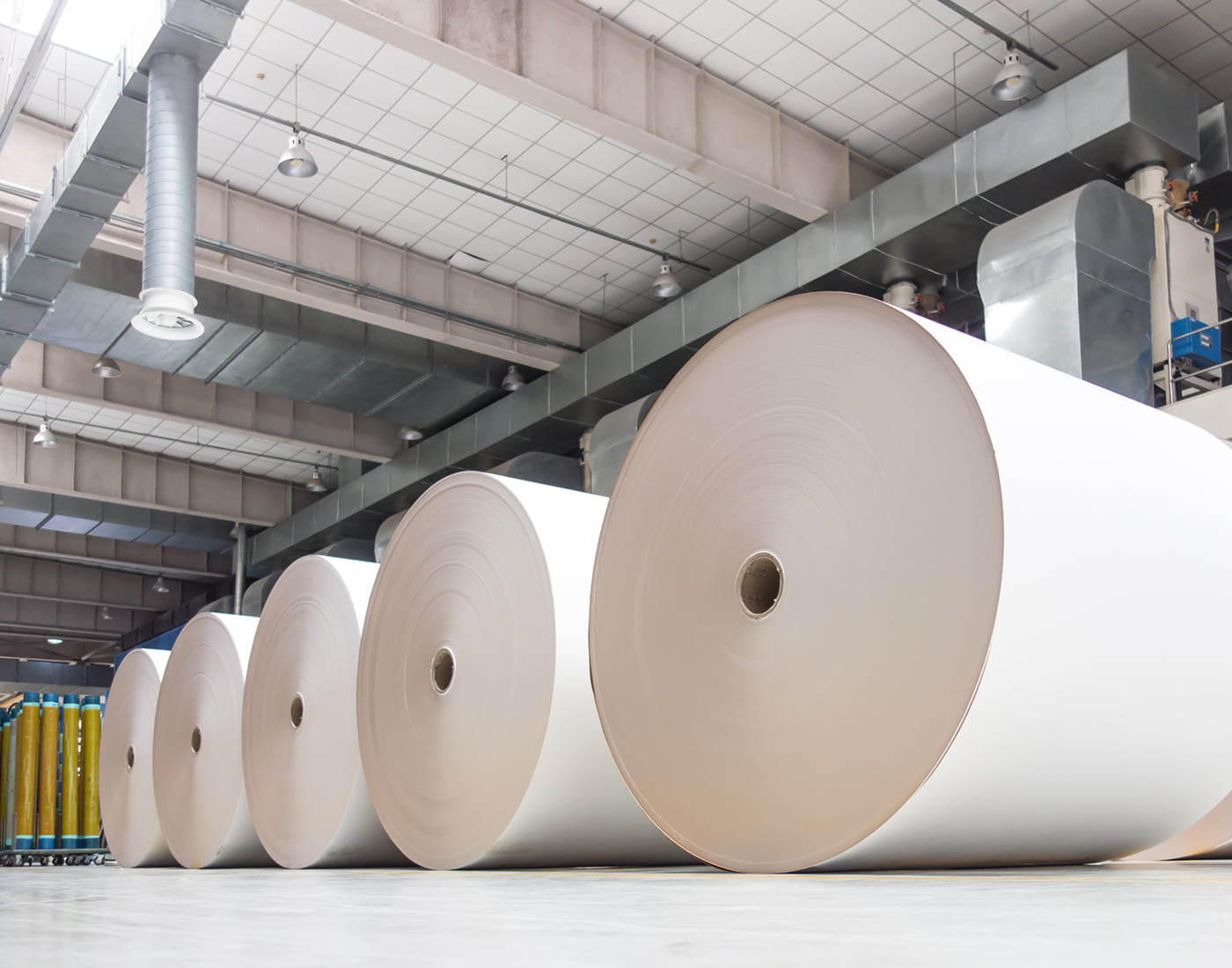
The pulp and paper industry is one of the most water-intensive and pollution-heavy sectors. During the pulping and papermaking processes, large volumes of wastewater containing fibers, fillers, coating residues, and chemical additives are produced. If these high-concentration suspended solids flow directly into downstream treatment systems, they can easily cause pipeline blockages and overload aeration tanks, greatly increasing energy consumption and cleaning costs. This has long been a major treatment bottleneck for many paper mills.
In electroplating, metalworking, and coating industries, wastewater often contains heavy metal ions (such as chromium, nickel, and zinc), grinding sludge, and oil. Without proper treatment, these contaminants can severely impact water quality and the environment. As the metal processing industry operates on a global scale, the demand for effective wastewater treatment continues to rise — creating a strong market potential for equipment suppliers and distributors.
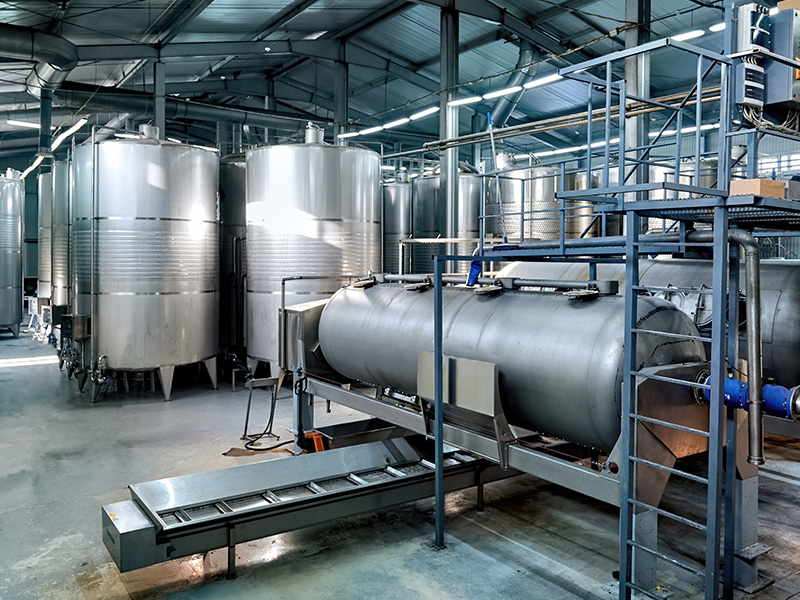
The global demand for the brewing and ethanol fermentation industries continues to rise. During the production of beer, spirits, and bioethanol, large volumes of distiller’s grains and high-moisture by-products are generated. If the moisture content of these distiller’s grains is too high, it will significantly increase treatment costs and make reuse more difficult.
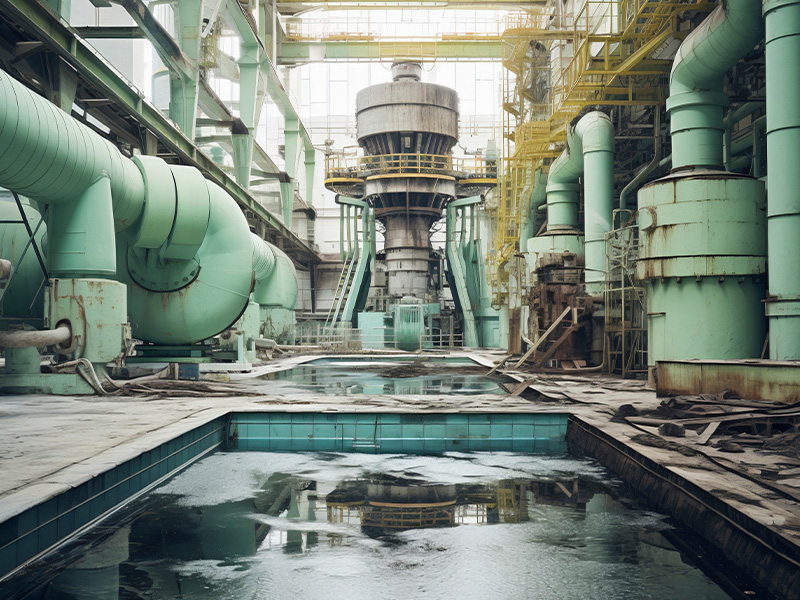
Municipal wastewater treatment plants face the challenge of processing tens of thousands of tons of domestic wastewater and primary sludge every day. Common systems such as DAF (Dissolved Air Flotation), chemical precipitation, and aerobic digestion generate large amounts of suspended solids and biological sludge. If these sludges are not properly thickened, they can place a heavy load on downstream dewatering and centrifuge systems, leading to excessive energy consumption.
The restaurant and food processing industries generate large volumes of oil-containing wastewater every day. Without proper treatment, this wastewater can cause severe pipeline blockages and unpleasant odors, making urban infrastructure maintenance increasingly difficult.
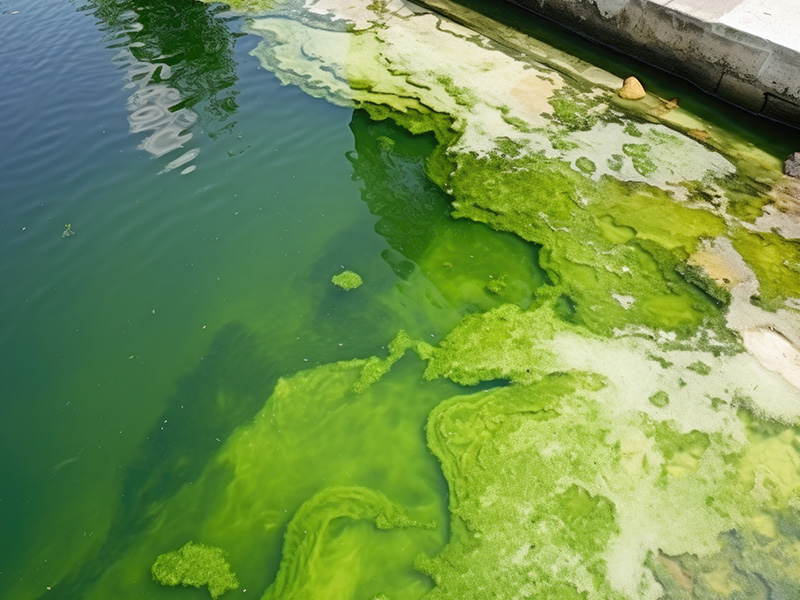
With the growing demand for renewable energy and biofuels, algae have emerged as a key resource for the future. However, harvesting and concentrating algae remain major industrial bottlenecks due to their extremely small particle size and high moisture content—making traditional methods both energy-intensive and inefficient.
We use cookies to improve your browsing experience. By continuing to use this site, you agree to our use of cookies. Thank you!